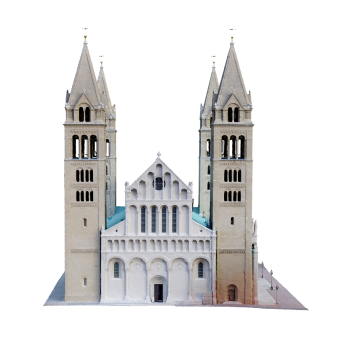
St. Peter and St. Paul's Basilica in P é cs, Hungary
It is the main church and Catholic church in the city of P é cs, Hungary. The history can be traced back to the 11th century, and its existing appearance was mainly reconstructed in the late 19th century based on the design of Frigyes Schmidt. Known for its Neo Romanesque style and four towers, its foundation can be traced back to the ancient Roman period. Not only is it the center of religious beliefs, but it is also a cultural symbol and important historical site of the city of P é cs. It was granted the status of a small temple in 1991 and underwent renovation before Pope John Paul II's visit to Hungary.
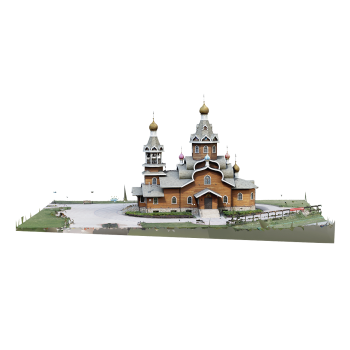
Russian Church
Usually refers to churches belonging to the Russian Orthodox Church, which often adopt Byzantine or Russian traditional architectural styles and are famous for their magnificent domes, rich murals, and icons. Design often reflects strong religious culture and historical traditions, and is also an important representative of Russian architectural art. Not only does it play an important role in religious ceremonies, but it is also the center of community activities. Often has exquisite interior decorations, including golden icon screens, delicate murals, and gorgeous chandeliers. In addition, the architectural style and decoration of churches often contain rich religious symbolic meanings and historical stories.
Ovid Church, Idaho, USA
The Church of Latter day Saints located in Ovid, Idaho, USA, is a historically significant building. Built in 1896, it cost $3000 and was jointly funded by community members at the time, with the church donating $500. This church is not only a place for religious activities, but also the center of community social life. The church has hosted multiple dances, theatrical performances, dinners, and Christmas celebrations, creating many beautiful memories for local residents. However, due to various reasons, including a decrease in the number of community members, this church closed its doors on July 2, 1967.
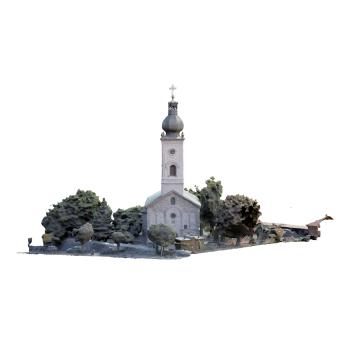
St. George's Church in Serbia
A Orthodox church located in Kniajevac, Serbia. It is a historic religious building with significant cultural and spiritual value to the local community. The architectural style and decorative details reflect the characteristics of 19th century Serbian religious architecture, and its interior decoration may include exquisite murals and icons, showcasing the tradition and spirit of Eastern Orthodox art. Not only is it the center of local religious activities, but it is also an important component of the historical and cultural heritage of Kniajevac. Witnessing the development of Serbian society and religious life is an important link connecting the past and present.
St. George's Church in Seville
Located in Kniajevac, Serbia. This church is a religious building of the Serbian Orthodox Church and has significant cultural and historical value. The origin can be traced back to the early 19th century, specifically starting construction in 1833 to commemorate Prince Milos Obrenovic's first visit to the region. The construction was completed in 1835, and the bell tower and clock were added shortly thereafter. Not only is it the religious center of the local community, but it is also an important component of the region's historical and cultural heritage. Witnessing the development of Serbian society and religious life is an important link connecting the past and present.
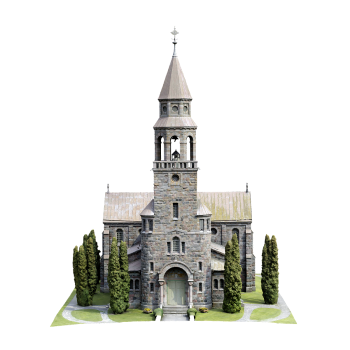
Jekyll de Boer Forest Church
The distance on the road from Telnice to Nakl é ř ov in the Czech Republic is about 4 kilometers. It is a Gothic style chapel built by Count Adolf Laidberg in 1832 as part of his hunting lodge. The design reflects the revival and love of medieval Gothic style during the Romantic period of the 19th century. Not only does it serve as a venue for religious activities, but it is also an important cultural heritage and tourist attraction in the region, attracting tourists interested in historical buildings to visit.
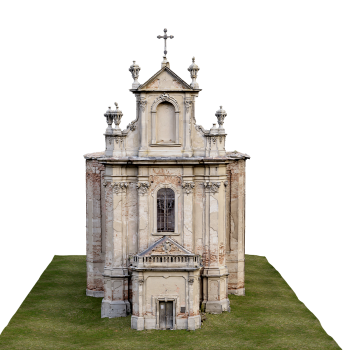
Khodovichavan Cathedral in Ukraine
The Roman Catholic Church located in the village of Khodovytsia near Lviv, Ukraine. The establishment can be traced back to the 13th century, with the earliest recorded document appearing in 1498. The architectural history of the church has undergone multiple changes. The original wooden church was burned down during the Tatar attack in 1621, and a stone church was rebuilt on the original site. In the mid-18th century, due to the poor structural condition of the church and the risk of collapse, the pastor of a church near Navaria decided to invest in the construction of a new church. The famous architect Bernard Meretin was commissioned to design this church at that time.
Latvian Sun ā kstes White Church
A landmark building located in J ē kabpils Autonomous City, Latvia. This Lutheran church was first built in the early 19th century, specifically from 1826 to 1829, replacing the old wooden church built in 1570. Built in neoclassical style, featuring a three story tower and prominent mountain walls. Not only is it the center of religious activities, but it is also a place to commemorate the outstanding figure Vecai Stenders of Latvia in the 18th century. There is a Stenders family cemetery nearby, and the surrounding environment of the church is beautiful, making it one of Latvia's important cultural and historical heritages.
The Ruins Church of Rakovets, Bulgaria
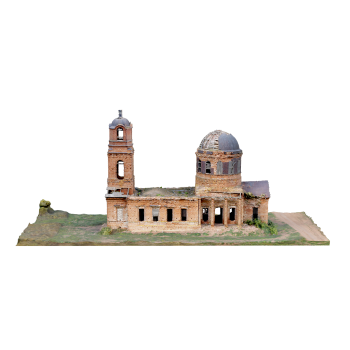
A church located in Rakovets, Bulgaria, built in the mid-19th century, specifically between 1822 and 1856, replacing an old wooden church from the early 18th century (1704) and consecrated in 1856. It was partially burned down in 1880 and subsequently rebuilt. Build using locally chiseled limestone. In 1946, the church was closed and most of its interior decorations were burned down. Between 1952 and 1980, this church was used as a warehouse. Until recently, although buildings were still covered with ceramic roof tiles, only the walls of the temple have been preserved.
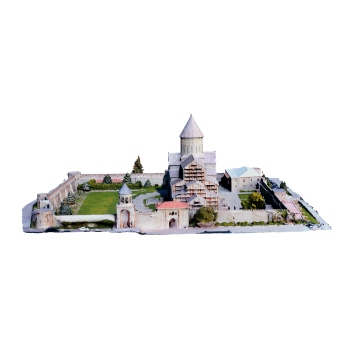
Mtskheta, Georgia
Mtskheta, located in Georgia, is an Eastern Orthodox cathedral with extremely high religious and cultural value. Built in the 4th century AD, the existing structure was constructed in the 11th century by architect Arsakidze during the reign of King Bagrat III. As a masterpiece of the early Middle Ages, it has been recognized as a World Heritage Site by UNESCO. It is the second largest church building in Georgia and one of the most important religious landmarks in the country. The architecture is based on the cross dome style, which emerged in early medieval Georgia and became the main style after Bagrat III unified Georgia.
Catholic Church of Auxerre, France
A Catholic church located in the town of Auxerre in the Nouvelle Aquitaine region of France. Built in the 13th century and renovated in the 15th century, it falls under the jurisdiction of the Archbishop of Limoges. Composed of a single nave dating back to the 12th century, with a painted paneled ceiling at the top, the church ends with a flat end. Not only is it the local religious center, but it is also a part of the rich religious architectural heritage of the region. Along with the Romanesque art of Uz è che, the circular church of Saint Bonnet la Rivi è re, and the painted lintel of Shaiac on the banks of the Charante River, it constitutes an important artistic and architectural attraction in the area.
Small Church of Saint Roch, France
A historic church located in France. Dedicated to Saint Luke, a widely revered saint who was regarded as a protector and intercessor, especially in the face of epidemics. Built in the 17th century, it was later relocated and rebuilt in the 19th century. It is an important cultural and religious landmark in the local area. Although it is not as grand as the large Gothic cathedrals in northern France, its unique architectural style and historical value make it a place worth visiting. It is a historic building that reflects the local religious beliefs and cultural traditions.
Santa Maria de Cadet Church in Spain
A Romanesque church located in the Bois Valley of Catalonia, Spain, known for its high-density Romanesque architecture and listed as a UNESCO World Heritage Site. It is one of the nine Romanesque churches in the region, each with its own unique charm and highly valued for its well preserved state. Known for its spectacular rear hall and decorative details, the rear hall is decorated with Lombard style blind arches, serrated ribbons, and pilasters. It is the only church in Boye Valley that does not have a bell tower, but instead has a Baroque style bell shaped gable located above the main facade. The restoration work aims to maintain its state from the early 20th century
Ukrainian Archangel St. Michael's Church
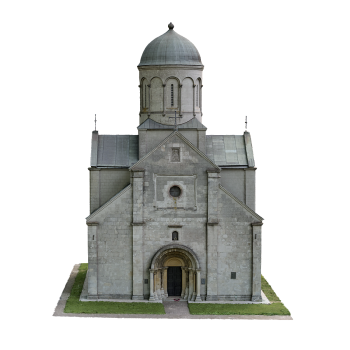
Located in StaraSil village, Ukraine, it is a historic religious building that embodies the architectural characteristics of the Eastern Orthodox Church at that time. This church is not only the center of local religious life, but also an important part of Ukraine's cultural heritage. Witnessed the inheritance of religious beliefs and the development of architectural art in the region. Built in the 17th century. The design incorporates traditional religious elements and local art styles, and the interior decoration may include murals, icons, mosaics, etc. These artworks showcase the religious stories of Eastern Orthodoxy and the lives of saints. As an important landmark in rural areas of Ukraine, it attracts numerous believers and tourists to visit.
St. Panteleimon Church in Ukraine
It is a religious building with a long history, not only one of the oldest buildings in the region, but also an important cultural heritage of Ukraine. Built in the 12th century, it was founded by Prince Roman Mstislavich of Galicia Volyn in 1194 and is located in the northeast direction of the city. Despite experiencing multiple wars and turmoil, this church still stands tall and bears witness to the historical changes in the Ukrainian region. After the invasion of the Ottoman Empire in the 15th century, it was converted into a mosque and was not rebuilt until 2000. The design and architectural style reflect the characteristics of the medieval period and are valuable materials for studying religious architecture at that time.
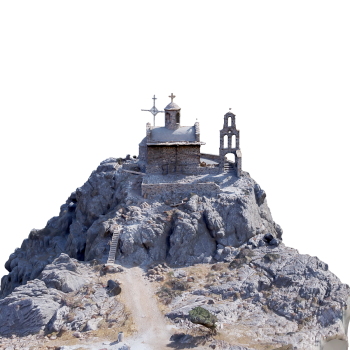
Church of Saint Raphael, Greece
The Church of Saint Raphael is located in Pratamon, Greece and is an impressive Eastern Orthodox church. This church is located near the town of Platamon, backed by the Attica Mountains and overlooking the Aegean Sea. The Church of San Rafael was built in the 19th century and is a building of historical and religious significance. The architectural style of the church blends Eastern Orthodox tradition and local cultural characteristics, with a simple and elegant appearance. The interior of the church is decorated with exquisite murals and decorative arts, showcasing the exquisite craftsmanship of Eastern Orthodox art. The Church of San Rafael attracts many believers and tourists to visit and experience the solemn atmosphere and beautiful scenery of religion.
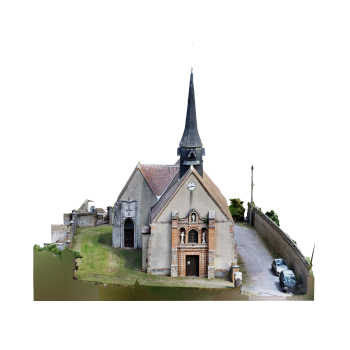
Maillebois Church in France
A historical religious building located in the city of Malbway in the Eure et Loire department of France. Classified as a first-class historical monument, it is an important component of the cultural and religious life in the region. Known for its unique architectural style and rich artistic decoration, it reflects the tradition and evolution of French religious architecture. Not only is it a place for local residents to engage in religious activities, but it is also an important place for tourists to learn about the history and culture of the region. Architectural and decorative details, such as stained glass windows and sculptures, showcase exquisite craftsmanship and artistic talent. In addition, its existence also witnesses the inheritance and development of religious beliefs in the region.
Taugfpilst Orthodox Church
The Orthodox Church located in Daugavpils, Latvia is a historic religious building built in 1897. The construction funds come from businessman M. from St. Petersburg Chukasov provided, and the design and construction supervision were carried out by the war engineer Rashevski, while the specific construction work was completed by the craftsmen of the Daugavpil Fortress. The architectural style embodies typical characteristics of northern Russia and has significant religious and cultural value. Not only does it meet the religious needs of local residents, but it has also become an important historical and cultural symbol of the region.
St. Catherine's Church
Located near the village of Anopolis on the island of Crete, it is a historic landmark. Located at the foot of the White Mountain, overlooking the Libyan Sea, it is a picturesque place that blends natural beauty and historical relics. History can be traced back to the medieval period, witnessing the rich historical and cultural changes on the island. The architectural style reflects the architectural technology of that era, while also carrying the dual functions of religion and military defense. Nowadays, it is a popular tourist attraction and an important place for studying the history and culture of Crete. Showcasing its past glory and the resilience of the people of Crete to the world.
St. Pancras Old Church, UK
A historic Anglican church located in Camden, London, United Kingdom. Named after the Roman martyr St. Pancras, it is believed to be one of the oldest Christian places of worship in England. The history can be traced back to the 4th century, and the existing main structure of the building was rebuilt during the Victorian era. Listed as a second-class protected building in 1954, it has a long history and contains relics from various historical periods, including Roman brick masonry. The courtyard has buried many famous figures and is an important part of London's history, as well as one of the city's famous landmarks. It is a place for religious activities and an important resource for understanding and studying London and British history.
Roman Catholic Church
It is the largest Christian denomination in the world, headquartered in Vatican City, an independent country in Rome, Italy. The Catholic Church is led by the Pope, who is considered the successor of St. Peter and the spiritual leader of Catholics worldwide. The doctrine and liturgy are deeply influenced by the Bible, the Bible, and the traditions of the Church. It has a rich religious ceremony, including seven sacraments such as baptism, communion, and confession. Having numerous churches, monasteries, and educational institutions worldwide, it has a profound impact on education, charity, and healthcare. There are over one billion believers worldwide, distributed in various countries and regions.
Popular Models
Random Model
A Starbucks coffee cup
119 View
Japanese Tea Table
171 View
Drying rack
103 View
Classic Captain's Chair
119 View
Freestanding Bathtub
106 View
The grass in the flowerpot
167 View
Easy outdoor drying rack
156 View
Simple Shed
192 View
Hydroponic Bamboo Tortoise
186 View